Disaster Relief Programs 2025: Federal Aid & Deadlines Explained
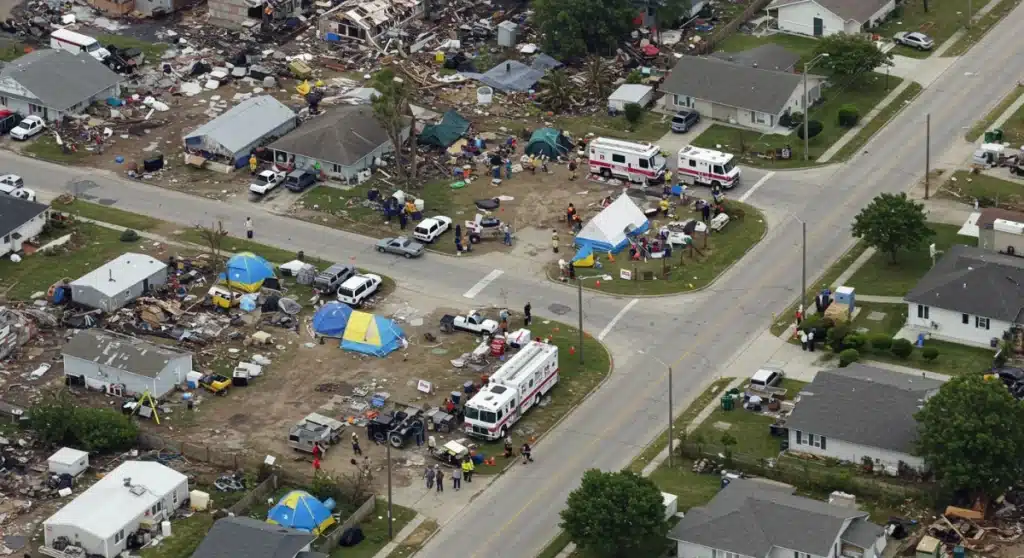
Latest developments on Disaster Relief Programs 2025: A Guide to Federal Assistance and Application Deadlines for Affected Communities with key facts, verified sources, and what readers need to monitor next in Estados Unidos, presented clearly in Inglês (Estados Unidos) (en-US).
Disaster Relief Programs 2025: A Guide to Federal Assistance and Application Deadlines for Affected Communities is shaping today’s agenda with new details emerging from officials and industry sources. This update prioritizes what changed, why it matters, and what to watch next, in a clear news format.
Understanding Federal Disaster Assistance for 2025
As communities across the United States brace for potential natural disasters, understanding the mechanisms of federal assistance becomes paramount. For 2025, the framework for disaster relief programs is being refined, aiming to streamline aid delivery and enhance recovery efforts. These programs, primarily administered by the Federal Emergency Management Agency (FEMA) and other federal agencies, provide critical financial and logistical support to individuals, businesses, and state and local governments affected by catastrophic events.
The federal government’s approach to disaster response is comprehensive, covering various stages from immediate emergency relief to long-term rebuilding. This includes assistance for housing, medical needs, infrastructure repair, and economic revitalization. Early awareness of these programs and their specific criteria is crucial for affected communities to maximize their recovery potential. The emphasis for 2025 is on proactive engagement and efficient application processes, reflecting lessons learned from past disaster responses and ongoing climate challenges.
Individuals and communities must familiarize themselves with the available resources and the steps required to access them. The upcoming year’s programs are designed to be more accessible, but success still hinges on timely and accurate submissions. This section provides an overview of the landscape of federal assistance that will be available, setting the stage for a deeper dive into specific programs and application procedures.
Key Federal Programs and Their Scope
Several pivotal federal programs form the backbone of disaster relief in the U.S., each designed to address distinct aspects of recovery. These programs are often activated following a presidential disaster declaration, which unlocks federal funding and resources for affected areas. Understanding the specific aims and scope of each program is essential for navigating the complex web of assistance.
Individual Assistance (IA) Program
FEMA’s Individual Assistance program offers financial help and direct services to eligible individuals and households who have uninsured or underinsured necessary expenses and serious needs caused by a disaster. This can include:
- Housing assistance (rental assistance, home repair, or replacement)
- Other needs assistance (medical, dental, funeral, childcare, personal property replacement)
- Crisis counseling and legal services
The IA program is often the first point of contact for many disaster survivors seeking direct support for their personal losses. Eligibility is determined based on the severity of damage and the individual’s inability to meet needs without assistance.
Public Assistance (PA) Program
The Public Assistance program provides grants to state, tribal, and local governments, and certain private non-profit organizations, to quickly respond to and recover from major disasters or emergencies. This program focuses on:
- Debris removal
- Emergency protective measures
- Repair or replacement of damaged public facilities (roads, bridges, utilities, parks, schools)
PA is vital for rebuilding community infrastructure and restoring essential services, ensuring that the collective resources of an affected area can be brought back online efficiently. It is a cost-sharing program, typically covering 75% of eligible costs.
Beyond FEMA, other federal agencies contribute significantly. The Small Business Administration (SBA) offers low-interest disaster loans to homeowners, renters, businesses, and private non-profits to repair or replace damaged property. The Department of Housing and Urban Development (HUD) provides Community Development Block Grant Disaster Recovery (CDBG-DR) funds for long-term recovery efforts in specific areas. These diverse programs ensure a multifaceted approach to disaster response, addressing both immediate and protracted recovery needs.
Eligibility Criteria for Federal Aid in 2025
Accessing federal disaster assistance hinges on meeting specific eligibility criteria, which can vary slightly depending on the program and the nature of the disaster. For 2025, federal agencies are emphasizing clarity in these requirements to prevent delays and ensure aid reaches those most in need. Generally, eligibility begins with a presidential disaster declaration for the affected area.
For individuals seeking FEMA’s Individual Assistance, several factors are considered. Applicants must be U.S. citizens, non-citizen nationals, or qualified aliens. The damaged property must be their primary residence, and they must have incurred disaster-related expenses or serious needs that are not covered by insurance or other forms of assistance. Documentation of residency, ownership or occupancy, and disaster-related damages is critical. FEMA conducts inspections to verify reported damages, and applicants must cooperate fully with these assessments.
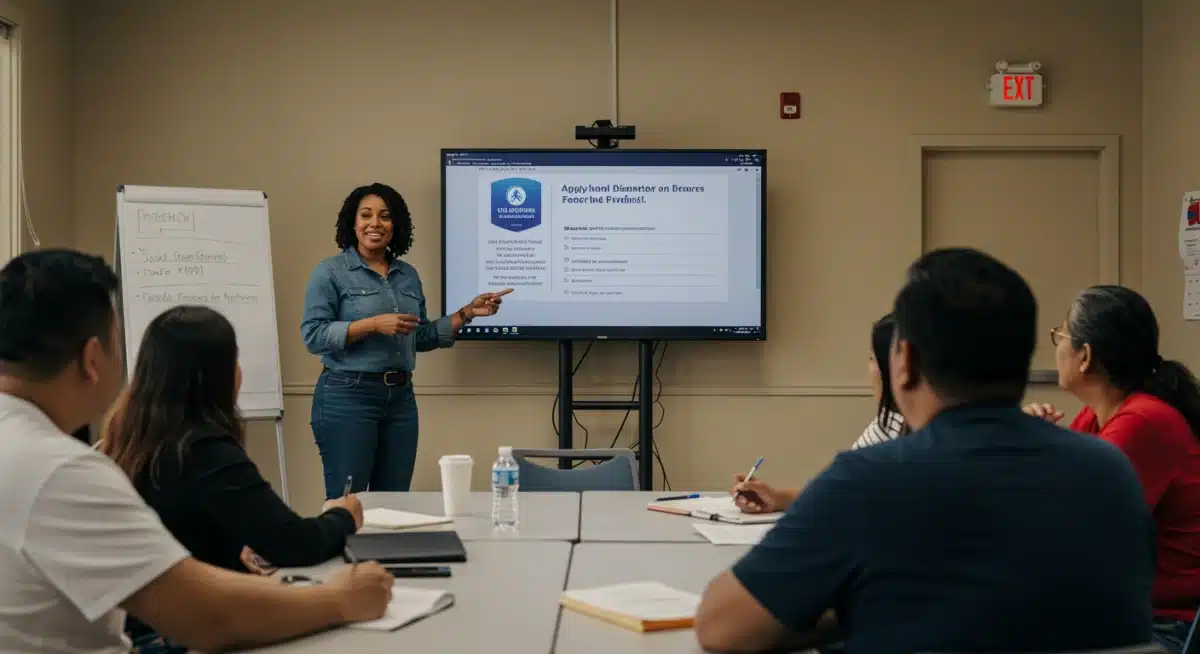
Understanding Property and Residency Requirements
- Primary Residence: Aid is typically for the home you live in most of the year.
- Ownership/Occupancy: Proof of ownership (deed, mortgage statement) or occupancy (lease, rent receipts) is required.
- Insurance Coverage: Federal aid generally covers losses not reimbursed by insurance. Applicants must file an insurance claim first.
For state, tribal, and local governments applying for Public Assistance, projects must be a direct result of the declared disaster, located within the declared area, and be the legal responsibility of the applicant. Eligible work categories range from emergency protective measures to permanent repairs, with specific cost-sharing requirements. Businesses seeking SBA loans must demonstrate creditworthiness and an inability to obtain credit elsewhere. These stringent requirements ensure that federal funds are allocated responsibly and effectively, prioritizing verifiable needs and legitimate losses.
Navigating the Application Process and Documentation
The application process for federal disaster assistance can appear daunting, but with proper preparation and understanding, it can be managed effectively. For 2025, agencies are continuing to refine digital platforms and outreach efforts to simplify the process, yet the core requirements for documentation remain stringent. The first step for anyone affected by a declared disaster is to register with FEMA.
How to Register with FEMA
- Online: Visit DisasterAssistance.gov, the most efficient method.
- Phone: Call the FEMA toll-free helpline.
- In Person: Visit a Disaster Recovery Center (DRC) if one is established in your area.
When registering, applicants will need to provide personal information such as Social Security number, current and pre-disaster address, contact information, insurance information, and details about the damages and losses incurred. It is crucial to have all this information readily available to ensure a smooth registration. Following registration, FEMA may schedule a home inspection to verify damages, and applicants should keep all receipts for disaster-related expenses.
Beyond initial registration, applicants may need to submit additional forms and documentation, especially for specific programs or loan applications. For instance, SBA disaster loan applications require detailed financial statements and tax information. Maintaining organized records of all disaster-related expenses, repairs, and communications with insurance companies and federal agencies is paramount. Digital copies of all documents are highly recommended for easy access and backup. Understanding that this process requires patience and meticulous attention to detail will significantly improve the chances of a successful application for Disaster Relief Programs 2025: A Guide to Federal Assistance and Application Deadlines for Affected Communities.
Critical Application Deadlines for 2025
Adhering to application deadlines is one of the most critical aspects of securing federal disaster assistance. Missing a deadline can result in the forfeiture of eligible aid, regardless of the severity of the damage. While specific dates are set following each disaster declaration, general timelines and best practices for monitoring these deadlines are consistent across all Disaster Relief Programs 2025: A Guide to Federal Assistance and Application Deadlines for Affected Communities.
Typically, individuals have 60 days from the date of the presidential disaster declaration to register for FEMA’s Individual Assistance. However, this period can be extended in certain circumstances, and it is vital to check official FEMA announcements for the specific disaster affecting your area. For SBA disaster loans, the deadlines can vary, often providing more time for physical property damage applications (e.g., 60 days from declaration) and longer for economic injury applications (e.g., 8 months). Public Assistance applications from governmental entities also follow strict timelines for submitting Requests for Public Assistance (RPAs) and project worksheets.
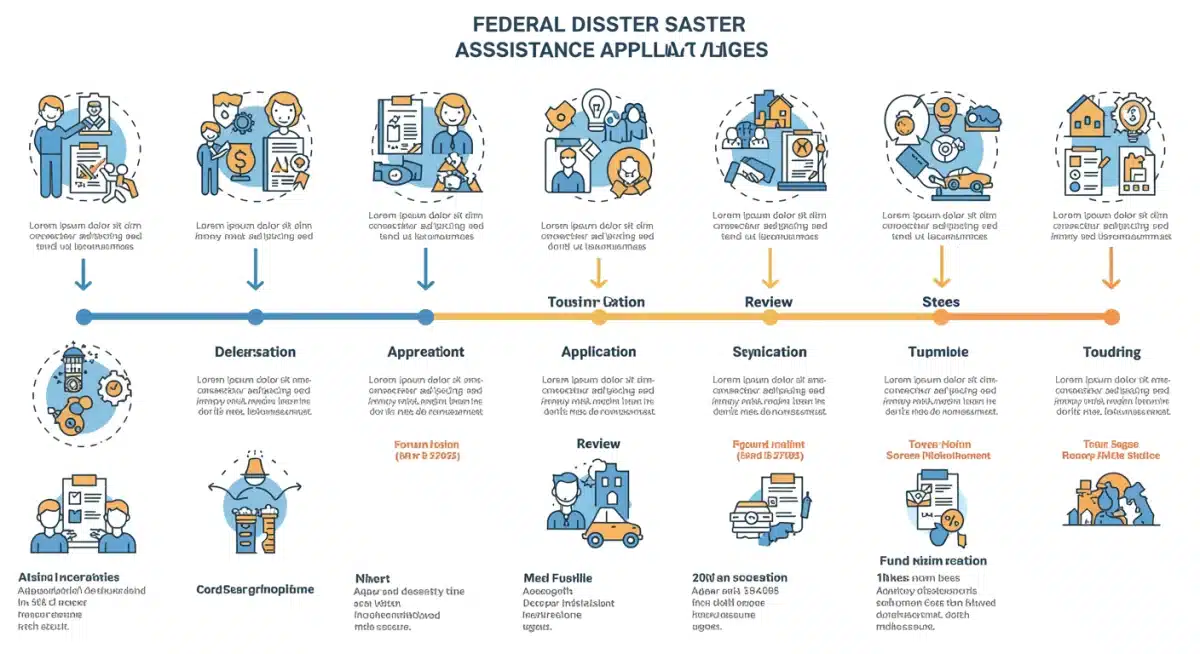
Monitoring and Confirming Deadlines
- Official Sources: Always refer to FEMA’s official website (DisasterAssistance.gov) or local government emergency management pages.
- Disaster Recovery Centers (DRCs): Staff at DRCs can provide up-to-date information on deadlines and assist with applications.
- News Alerts: Stay informed through local news and official government press releases.
It is imperative for affected individuals and organizations to actively monitor these deadlines from the moment a disaster is declared. Proactive engagement, including signing up for alerts and regularly checking official websites, can prevent crucial opportunities from being missed. Early application is always recommended to avoid last-minute complications and ensure that all necessary documentation can be gathered and submitted within the stipulated timeframe. The federal government aims to process applications efficiently, but the responsibility for timely submission ultimately rests with the applicant, making awareness of these deadlines non-negotiable for anyone seeking aid from Disaster Relief Programs 2025: A Guide to Federal Assistance and Application Deadlines for Affected Communities.
Resources and Support for Affected Communities
Beyond direct financial aid, a wealth of resources and support systems are available to communities and individuals impacted by disasters. These resources complement federal assistance programs, often providing crucial immediate help, guidance, and emotional support during the challenging recovery period. Accessing these networks can significantly ease the burden on survivors and accelerate community rebuilding.
Community-Based Support Organizations
Numerous non-profit and volunteer organizations play a vital role in disaster response. Groups like the American Red Cross, Salvation Army, and various local charities offer immediate relief services such as shelter, food, clothing, and medical aid. These organizations often work in conjunction with federal agencies, providing on-the-ground support that addresses urgent needs not always covered by federal programs. They are also excellent sources of information and guidance on navigating the recovery process.
Mental Health and Emotional Support
The psychological toll of a disaster can be immense. Federal and state agencies, in partnership with non-profits, offer crisis counseling and mental health services to help individuals cope with trauma and stress. Programs like FEMA’s Crisis Counseling Assistance and Training Program (CCP) provide immediate and long-term support, recognizing that emotional recovery is as important as physical rebuilding. Information on these services is typically available at Disaster Recovery Centers and through local health departments.
Moreover, local government agencies and community centers often host workshops and information sessions to help residents understand their options, fill out applications, and connect with various support services. These localized efforts are critical for ensuring that information about Disaster Relief Programs 2025: A Guide to Federal Assistance and Application Deadlines for Affected Communities reaches every corner of the affected area. Leveraging these diverse resources can make a substantial difference in the overall resilience and recovery of a community.
Preparing for Future Disasters and Building Resilience
While federal disaster relief programs are essential for recovery, proactive preparation significantly enhances a community’s ability to withstand and bounce back from catastrophic events. For 2025, there is an increased emphasis on building resilience and fostering community preparedness, recognizing that early action can mitigate the most severe impacts of disasters.
Individual preparedness starts with creating a family emergency plan, assembling a disaster kit, and understanding local evacuation routes. These simple steps can save lives and reduce stress when a disaster strikes. For communities, resilience involves implementing robust building codes, developing effective early warning systems, and investing in infrastructure that can withstand extreme weather events. FEMA’s Hazard Mitigation Grant Program (HMGP) provides funding for states and local governments to implement long-term hazard reduction measures, helping to break the cycle of disaster damage and reconstruction.
Key Steps for Community Resilience
- Emergency Plans: Develop and regularly update comprehensive plans for various disaster scenarios.
- Infrastructure Investment: Strengthen critical infrastructure against known hazards.
- Public Education: Educate residents on preparedness and available resources.
- Community Networks: Foster strong local networks for mutual aid and support.
Engaging in community-wide preparedness drills and educational initiatives helps to instill a culture of readiness. Furthermore, understanding the role of insurance, both private and federal (e.g., National Flood Insurance Program), is a critical component of financial resilience. By combining individual actions with broader community-level strategies, the impact of future disasters can be minimized, making the recovery process more efficient and less dependent on emergency aid alone. This proactive stance is a cornerstone of effective disaster management, moving beyond mere response to comprehensive prevention and adaptation, ensuring that communities are better equipped to face future challenges without solely relying on Disaster Relief Programs 2025: A Guide to Federal Assistance and Application Deadlines for Affected Communities.
Key Point |
Brief Description |
|---|---|
Federal Programs |
FEMA (IA, PA), SBA loans, HUD grants provide comprehensive aid. |
Eligibility |
Requires presidential declaration, primary residence, and uninsured losses. |
Application Deadlines |
Typically 60 days from disaster declaration; varies by program. |
Community Resilience |
Proactive planning, infrastructure, and public education are crucial. |
Frequently Asked Questions About Disaster Relief Programs 2025
▼
The first step is to register with FEMA, which can be done online at
DisasterAssistance.gov, by calling their helpline, or by visiting a
Disaster Recovery Center. This should be done as soon as possible
after a presidential disaster declaration.
▼
No, federal disaster aid is only available for events that receive a
presidential disaster declaration. This declaration formally
recognizes that the event is beyond the capacity of state and local
governments to handle.
▼
You will need proof of identity, residency, ownership/occupancy, insurance
information, and details of disaster-related losses. Keep all receipts
for expenses incurred due to the disaster.
▼
Yes, but federal aid typically covers uninsured or underinsured losses.
You must file a claim with your insurance company first, and federal
assistance will cover eligible needs not met by your policy.
▼
Specific deadlines are announced following each disaster declaration. You
can find this information on DisasterAssistance.gov, through local
emergency management offices, or at any Disaster Recovery Center in your
area.
What happens next
The landscape of federal disaster assistance in 2025 emphasizes both responsive aid and proactive resilience. As new disaster declarations occur, individuals and communities must remain vigilant about application deadlines and available resources. Tracking official announcements from FEMA and local authorities will be crucial for navigating the aid process efficiently. The ongoing efforts to streamline applications and enhance preparedness underscore a national commitment to better support affected populations, reinforcing the importance of informed action and community collaboration in the face of future challenges.
