ACP 2025 Changes: Ensuring 20 Million Households Stay Connected

The Affordable Connectivity Program (ACP) faces critical changes in 2025, impacting 20 million households reliant on its internet subsidy, with recent updates highlighting an urgent need for continued funding to prevent service disruption.
As of late 2024, significant developments are unfolding regarding The 2025 Affordable Connectivity Program (ACP) Changes: Ensuring 20 Million Households Stay Connected (RECENT UPDATES), a crucial initiative providing affordable internet to millions. The program, which has been a lifeline for low-income families, is at a crossroads, with its future funding uncertain beyond the current fiscal year.
The Looming ACP Funding Cliff: What’s Happening Now
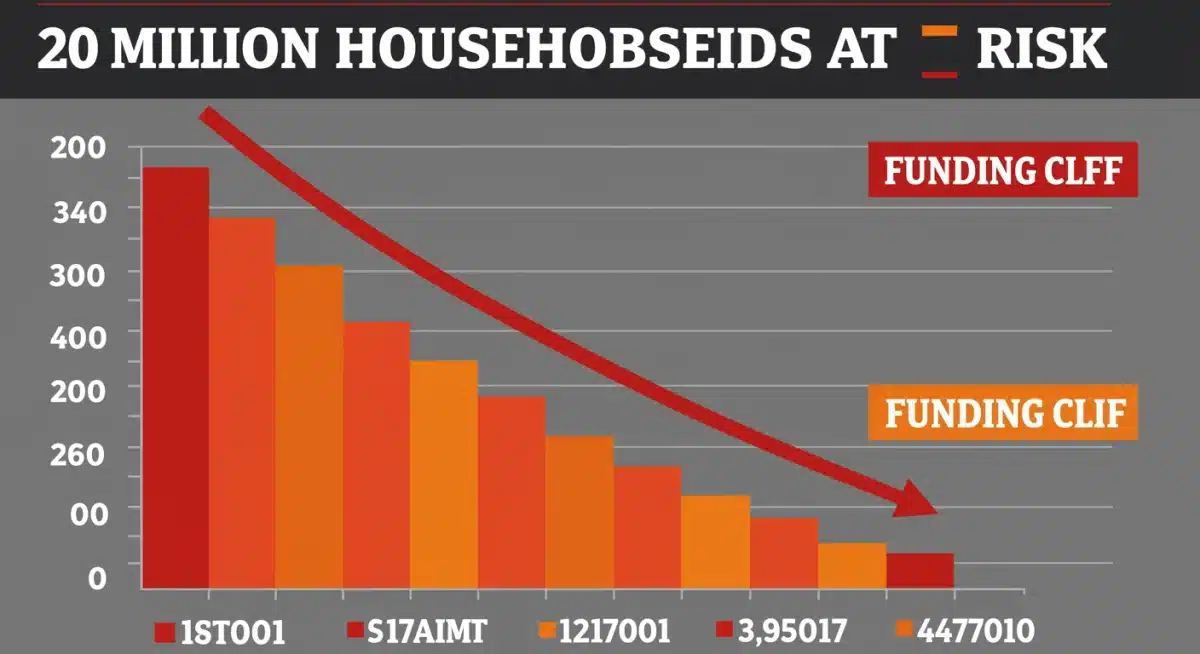
The Affordable Connectivity Program (ACP), a federal initiative designed to help low-income households afford broadband internet, is facing a critical funding shortfall. As of recent reports, the program is projected to exhaust its current funding by early 2025, potentially leaving millions without essential internet access.
This impending ‘funding cliff’ poses a significant threat to the 20 million households currently benefiting from the ACP’s monthly internet discount. Advocates and policymakers are intensely focused on securing additional appropriations to avoid a widespread disruption in connectivity, which could exacerbate the digital divide.
Urgent Calls for Congressional Action
Various stakeholders, including consumer advocacy groups, internet service providers, and bipartisan lawmakers, are pressing Congress to act swiftly. The consensus is that without immediate legislative intervention, the program will cease to enroll new applicants and eventually halt subsidies for existing beneficiaries.
- Bipartisan Support: Efforts are underway to garner sufficient bipartisan support for a new funding package.
- Industry Impact: Internet service providers warn of potential mass disconnections if funding is not renewed.
- Consumer Advocacy: Organizations are mobilizing to highlight the program’s vital role for vulnerable communities.
Impact on 20 Million Households: A Digital Disruption Threat
The potential cessation of the ACP in 2025 would directly affect an estimated 20 million households across the United States. These families rely on the program’s monthly discount—up to $30 per month, or $75 for households on Tribal lands—to access education, employment, healthcare, and vital government services online.
For many, this subsidy is the sole factor making internet access affordable. The loss of this support would force difficult choices, potentially leading to disconnections and pushing millions back into digital isolation. This outcome would undermine years of progress in bridging the digital divide.
Consequences for Education and Employment
A significant portion of ACP beneficiaries includes families with school-aged children and individuals seeking employment. The abrupt removal of internet access would severely hinder remote learning opportunities and job search capabilities, creating ripple effects throughout communities.

- Educational Setbacks: Students would struggle with homework, online resources, and virtual classrooms.
- Workforce Disadvantage: Job seekers would lose access to online applications, training, and remote work options.
- Economic Strain: Households would face increased financial pressure to maintain essential services.
Legislative Efforts and Proposed Solutions for ACP
In response to the impending funding crisis, several legislative proposals have emerged, aiming to extend or permanently fund the Affordable Connectivity Program. Lawmakers on both sides of the aisle acknowledge the program’s success but diverge on the best approach for its long-term sustainability.
One primary proposal, the Affordable Connectivity Program Extension Act, seeks to provide an additional $7 billion in funding to keep the program operational through the end of 2025. This bipartisan bill reflects a growing recognition of broadband’s necessity in modern life.
Alternative Funding Mechanisms Explored
Beyond direct appropriations, discussions include exploring alternative, more sustainable funding mechanisms. These could involve expanding contributions from internet service providers, reallocating existing federal funds, or creating a dedicated trust fund. The goal is to move the ACP beyond temporary fixes and establish a stable foundation.
- Extension Act: Bipartisan bill proposing $7 billion for a one-year extension.
- Universal Service Fund Reform: Potential integration or reform of existing mechanisms.
- Spectrum Auction Proceeds: Suggestion to use revenue from future spectrum sales.
The Role of the FCC and Consumer Outreach
The Federal Communications Commission (FCC) plays a crucial role in administering the ACP and is actively engaged in efforts to mitigate the impact of the funding cliff. The FCC has initiated consumer outreach campaigns to inform beneficiaries about the potential changes and encourage them to understand their options.
As the program’s administrator, the FCC is also responsible for managing the wind-down process if new funding is not secured. This involves providing clear guidance to internet service providers and consumers on how the transition would occur, including potential changes to their internet bills.
Preparing for a Potential Wind-Down
The FCC is preparing for various scenarios, including the possibility of a phased reduction in benefits or a complete cessation of the program. This preparation aims to minimize confusion and ensure that affected households receive timely information about their service status and alternative low-cost options.
- Information Dissemination: Public awareness campaigns to inform beneficiaries.
- Provider Guidance: Instructions for ISPs on managing the transition.
- Alternative Programs: Highlighting other available state or local internet assistance programs.
What Beneficiaries Need to Know: Navigating the Changes
For the 20 million households currently enrolled in the ACP, understanding the upcoming changes is paramount. As of the latest updates, the program continues to provide benefits, but future enrollment and ongoing subsidies are contingent on congressional action. Beneficiaries should monitor official communications closely.
The FCC and participating internet service providers are expected to provide detailed information regarding any changes to the program. It is crucial for enrolled households to ensure their contact information with their provider is up-to-date to receive these critical notifications.
Steps to Take Now
While the future of the ACP remains under discussion, there are proactive steps beneficiaries can take. Contacting your internet service provider to inquire about low-cost plans or alternative assistance programs they might offer is a sensible first move. Staying informed through official FCC channels and reputable news sources is also vital.
- Stay Informed: Regularly check FCC.gov/ACP and news updates.
- Contact Provider: Ask about low-cost alternatives or payment plans.
- Explore Local Programs: Research state or local broadband assistance initiatives.
Long-Term Vision for Universal Broadband Access
The challenges facing the ACP underscore a broader national conversation about universal broadband access. While the program addresses immediate affordability, the long-term vision involves ensuring that reliable, high-speed internet is accessible and affordable for all Americans, regardless of income or location.
Policymakers continue to debate the most effective strategies for achieving this goal, including infrastructure investments, regulatory reforms, and sustained funding for affordability programs. The ACP’s fate will likely influence future approaches to closing the digital divide permanently.
Beyond the ACP: Future Policy Directions
Discussions extend to how federal and state governments can collaborate more effectively to support digital equity. This includes exploring models that integrate broadband affordability with other social support programs, ensuring a holistic approach to connectivity as a fundamental utility.
- Infrastructure Investment: Expanding broadband networks to unserved areas.
- Digital Literacy: Programs to enhance digital skills and adoption.
- Sustainable Funding: Developing permanent funding mechanisms for affordability.
| Key Point | Brief Description |
|---|---|
| Funding Cliff Imminent | ACP funding is projected to run out by early 2025, threatening service for 20 million households. |
| 20 Million Households Affected | Millions rely on the ACP subsidy for essential internet access for education, work, and healthcare. |
| Legislative Efforts Underway | Bipartisan proposals in Congress aim to secure additional funding to extend the program. |
| FCC Outreach and Guidance | The FCC is preparing for potential program changes, informing beneficiaries and providers. |
Frequently Asked Questions About ACP Changes
The ACP is a federal program that helps eligible low-income households afford broadband internet service. It provides a monthly discount of up to $30 (or $75 for Tribal lands) to ensure essential connectivity for education, work, and healthcare access.
Current projections indicate that the ACP’s existing funding will be exhausted by early 2025. This timeline is subject to change based on congressional decisions regarding additional appropriations to extend the program’s operations.
Approximately 20 million households across the United States are currently enrolled in and benefit from the ACP. These households face the risk of losing their monthly internet subsidy if new funding is not secured in time.
Beneficiaries should stay informed by checking official FCC announcements and contacting their internet service providers. Inquire about alternative low-cost plans or other assistance programs they might offer to ensure continued internet access if the ACP subsidy ends.
Yes, bipartisan efforts are underway in Congress, including the proposed Affordable Connectivity Program Extension Act. This bill seeks to provide an additional $7 billion in funding to prolong the program’s operation and prevent service disruptions for millions of Americans.
What Happens Next
The immediate focus remains on congressional action to address the ACP’s funding shortfall. Lawmakers are under increasing pressure to secure additional appropriations before the program’s funds are depleted in early
