Bipartisan Infrastructure Law: 2025 Funding for 10 Million Americans
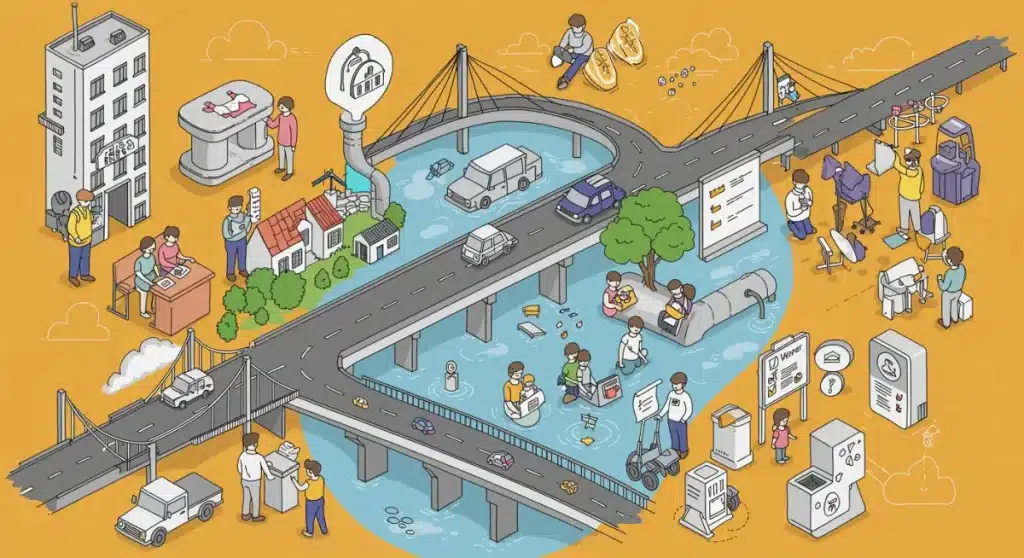
The Bipartisan Infrastructure Law’s 2025 funding is set to significantly impact social programs, providing crucial support and improved services for an estimated 10 million Americans across various essential sectors.
Breaking news reveals that the Impact of the Bipartisan Infrastructure Law on Social Programs: 2025 Funding for 10 Million Americans (FINANCIAL IMPACT) is poised to deliver a transformative boost to communities nationwide. This landmark legislation continues to unfold its benefits, with 2025 marking a critical phase for direct investment into programs vital for public well-being and economic stability.
Understanding the Bipartisan Infrastructure Law’s Scope
The Bipartisan Infrastructure Law, enacted in 2021, represents a monumental federal commitment to revitalizing America’s foundational systems. Beyond its well-known focus on roads and bridges, the law strategically allocates billions to projects that directly underpin social welfare and community resilience, setting the stage for significant enhancements in 2025.
This comprehensive package addresses long-standing deficiencies in critical areas, ensuring that the benefits extend far beyond physical structures. It aims to create a more equitable and sustainable future for all Americans by linking infrastructure development with social policy goals.
Key Pillars of Investment
The law’s design includes several core investment areas that are directly tied to social outcomes. These pillars ensure that funding is distributed across a spectrum of needs, from basic utilities to advanced technological access.
- Broadband Expansion: Critical for education, healthcare, and economic opportunity in underserved areas.
- Clean Water Initiatives: Replacing lead pipes and improving water quality for healthier communities.
- Public Transportation Upgrades: Enhancing accessibility and affordability for commuters and those needing essential services.
- Resilience and Climate Adaptation: Protecting communities from environmental hazards and fostering long-term stability.
Direct Financial Impact on Social Programs in 2025
As of recent analyses, the financial impact of the Bipartisan Infrastructure Law on social programs in 2025 is substantial, with projections indicating direct benefits reaching approximately 10 million Americans. This funding is not merely about construction; it’s about bolstering the quality of life and creating opportunities.
The specific allocations for 2025 are designed to accelerate projects already underway and initiate new ones, ensuring a continuous flow of resources into areas deemed most critical for public welfare. This strategic deployment aims to maximize the reach and effectiveness of federal dollars.
Targeted Allocations and Beneficiaries
Funding is being channeled into specific programs that serve vulnerable populations and improve essential services. These targeted allocations reflect a deliberate effort to address systemic inequalities and enhance community support structures.
- Low-Income Household Connectivity: Subsidies and infrastructure development to close the digital divide.
- Community Health Centers: Improved access to clean water and reliable power for healthcare facilities.
- Elderly and Disabled Transit: Modernizing public transit to ensure greater mobility and independence.
- Workforce Development Programs: Creating jobs and training opportunities through infrastructure projects themselves.
Broadband Access: Bridging the Digital Divide
One of the most significant social impacts of the Bipartisan Infrastructure Law is its aggressive push to expand broadband internet access. In 2025, a substantial portion of the allocated funds will target unserved and underserved communities, aiming to connect millions of Americans who currently lack reliable internet.
This initiative is crucial for education, telehealth, and economic participation, especially in rural and low-income urban areas. The goal is to ensure that every American has the opportunity to engage fully in the digital economy and access vital online resources.
Impact on Education and Healthcare
The enhanced broadband infrastructure will have profound effects on sectors like education and healthcare. Students in newly connected areas will gain access to online learning resources, while telehealth services will become more viable for patients in remote locations.
The ability to connect digitally also offers new avenues for job training and skill development, empowering individuals to pursue better employment opportunities. This foundational access is a cornerstone of modern social equity.
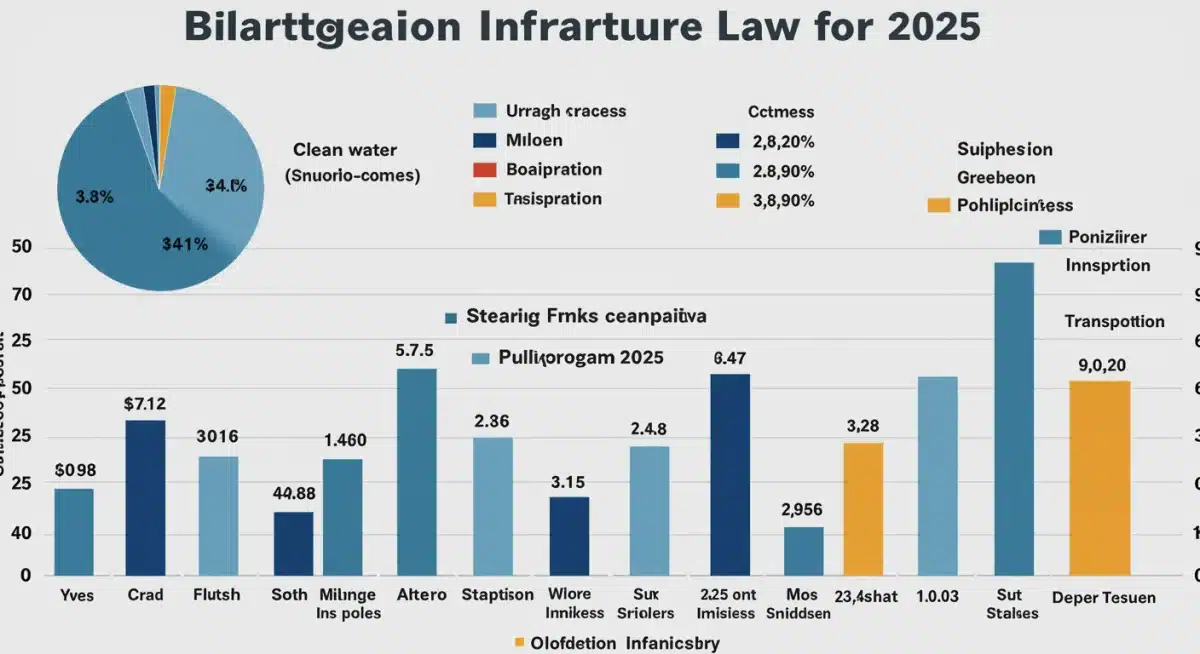
Clean Water Initiatives: A Foundation for Health
The Bipartisan Infrastructure Law’s commitment to clean water infrastructure is a direct investment in public health. For 2025, significant funding is earmarked for replacing lead service lines, upgrading aging water treatment facilities, and improving wastewater systems across the nation.
This focus ensures that communities, particularly those historically marginalized, have access to safe and reliable drinking water. The health benefits are immediate and long-lasting, reducing exposure to harmful contaminants and improving overall community well-being.
Addressing Environmental Justice
Many of the communities most affected by outdated and contaminated water systems are those with lower incomes and higher minority populations. The infrastructure law’s clean water initiatives explicitly address environmental justice by prioritizing these areas for upgrades.
By tackling these critical issues, the law aims to rectify historical inequities and provide a healthier living environment for all citizens. This proactive approach to public health is a core component of the social program strategy.
Public Transportation and Community Mobility
Improving public transportation is another key area where the Bipartisan Infrastructure Law will make a tangible social impact in 2025. Funding is directed towards modernizing transit systems, expanding routes, and ensuring accessibility for all users.
Enhanced public transit means greater mobility for individuals, especially those without personal vehicles, facilitating access to jobs, healthcare appointments, and educational institutions. This directly reduces barriers to economic participation and social inclusion.
Economic and Environmental Benefits
Beyond individual mobility, robust public transportation systems contribute to broader economic and environmental benefits. Reduced traffic congestion, lower carbon emissions, and increased local commerce are all positive externalities of these investments.
The upgrades also create jobs in construction, maintenance, and operations, further boosting local economies. The interconnectedness of infrastructure and social well-being is evident in these comprehensive benefits.
Long-Term Implications and Future Outlook
The 2025 funding cycle for the Bipartisan Infrastructure Law is a crucial step in a multi-year effort. The long-term implications for social programs are profound, laying the groundwork for sustained improvements in public services and quality of life.
This sustained investment is designed to build resilient communities capable of adapting to future challenges, from climate change to economic shifts. The forward-looking nature of the law aims to prevent future infrastructure crises and foster enduring prosperity.
Sustainability and Equity Goals
A core tenet of the law’s long-term strategy is the integration of sustainability and equity goals into all projects. This means ensuring that infrastructure development not only serves immediate needs but also promotes environmental stewardship and fair access to resources for all demographic groups.
The ongoing monitoring and evaluation of these projects will be critical in ensuring that the intended social benefits are realized and maintained over time, solidifying the positive impact for generations to come.
| Key Program Area | Brief Description of 2025 Impact |
|---|---|
| Broadband Expansion | Connecting millions in unserved areas, boosting education and telehealth access. |
| Clean Water Initiatives | Funding lead pipe replacement and water system upgrades for public health. |
| Public Transportation | Modernizing transit for improved mobility, job access, and reduced emissions. |
| Community Resilience | Investing in protections against climate-related disasters and fostering stability. |
Frequently Asked Questions About Infrastructure Funding
The primary goal is to enhance the quality of life for millions of Americans by investing in critical infrastructure that directly supports social services, such as broadband, clean water, and public transportation, ensuring equitable access and improved community well-being.
Current projections indicate that approximately 10 million Americans will directly benefit from the 2025 funding allocated to various social programs under the Bipartisan Infrastructure Law, addressing diverse needs across the nation.
Key social areas receiving substantial funding include broadband expansion to bridge the digital divide, clean water initiatives for public health, and upgrades to public transportation systems to improve community mobility and access to services.
The law addresses environmental justice by prioritizing funding for communities historically burdened by environmental hazards, particularly in clean water initiatives, aiming to rectify past inequities and provide healthier living conditions for all residents.
The long-term implications include building more resilient communities, fostering sustainable development, ensuring equitable access to essential services, and creating lasting economic opportunities, ultimately improving the overall quality of life for future generations.
What Happens Next
The unfolding of the Bipartisan Infrastructure Law’s 2025 funding cycle marks a critical juncture for American social programs. As funds continue to flow, the focus will shift towards effective implementation and measurable outcomes. Stakeholders nationwide will be closely monitoring the progress of these projects, particularly in their ability to reach the projected 10 million Americans. This period will also see increased scrutiny on how these investments translate into tangible improvements in daily life, from faster internet speeds in rural homes to safer drinking water in urban centers. The coming months are crucial for demonstrating the enduring value of this historic legislative effort.
